By the end of this module, learners will be able to:
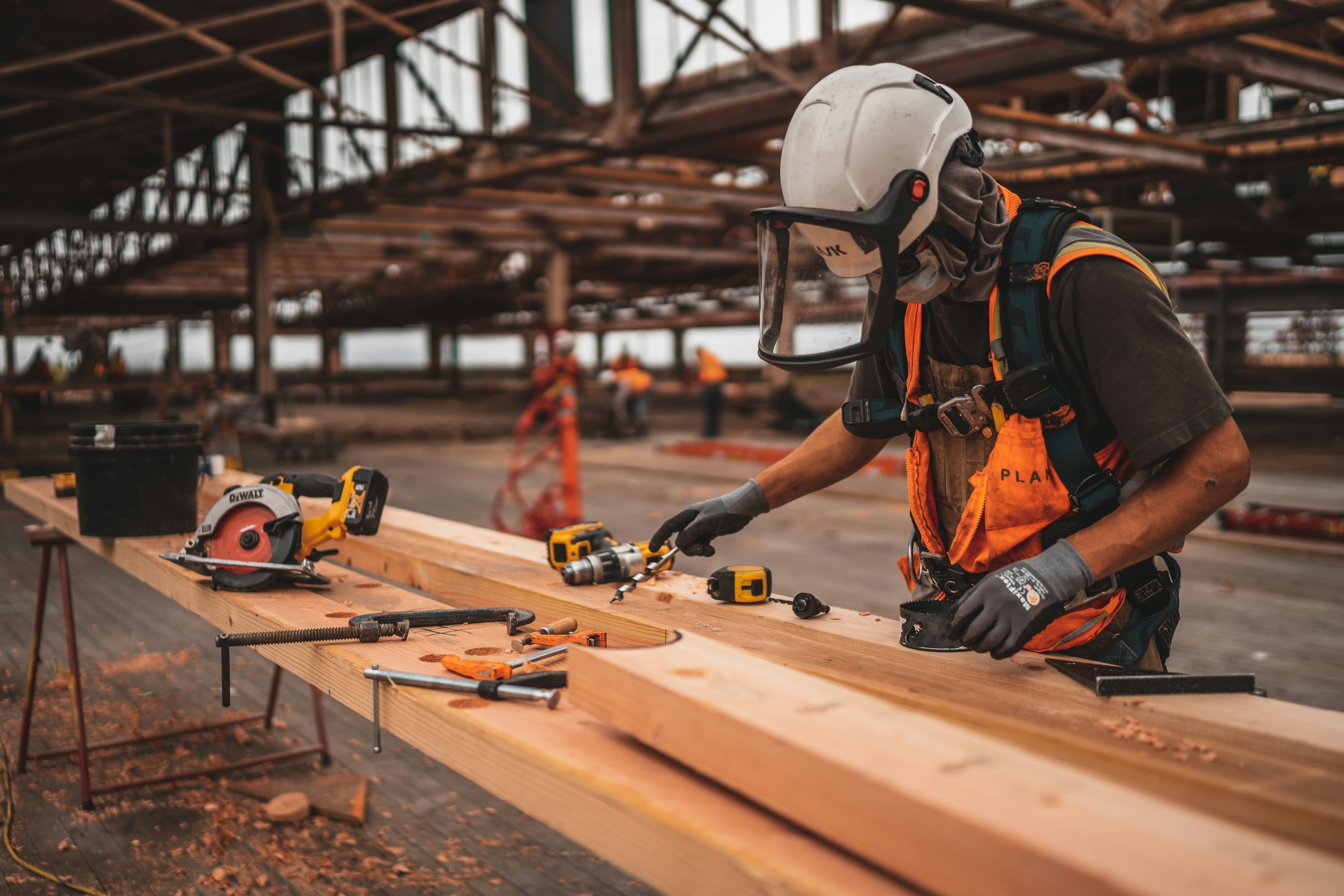
Nail guns are powerful, easy to operate, and boost productivity for nailing tasks. They are also responsible for an estimated 37,000 emergency room visits each year. Severe nail gun injuries have led to construction worker deaths.
Nail gun injuries are common in residential construction. About two-thirds of these injuries occur in framing and sheathing work. Injuries also often occur in roofing and exterior siding and finishing.
How likely are nail gun injuries? A study of apprentice carpenters found that:
More than half of reported nail gun injuries are to the hand and fingers. One-quarter of these hand injuries involve structural damage to tendons, joints, nerves, and bones. After hands, the next most often injured are the leg, knee, thigh, foot, and toes. Less common are injuries to the forearm or wrist, head and neck, and trunk. Serious nail gun injuries to the spinal cord, head, neck, eye, internal organs, and bones have been reported. Injuries have resulted in paralysis, blindness, brain damage, bone fractures, and death.
Nail guns present a number of hazards and risks. NIOSH and OSHA prepared this publication to provide builders and contractors with the latest information on nail gun hazards and practical advice on the steps they should take to prevent nail gun injuries on their construction jobs.
Question
What is the estimated number of emergency room visits due to nail gun injuries each year?
Answer the question above the continue reading. iTELL evaluation is based on AI and may not always be accurate.
A 26-year-old Idaho construction worker died following a nail gun accident in April 2007. He was framing a house when he slipped and fell. His finger was on the contact trigger of the nail gun he was using. The nosepiece hit his head as he fell, driving a 3-inch nail into his skull. The nail injured his brain stem, causing his death. The safety controls on the nail gun were found to be intact. Death and serious injury can occur using nail guns —even when they are working properly.
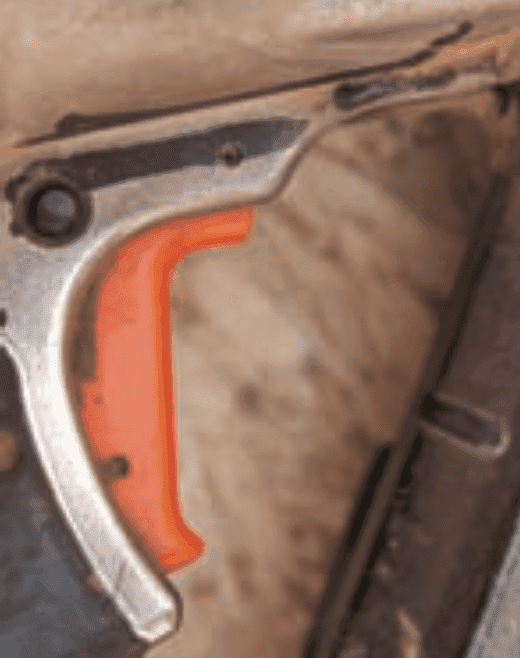
Trigger
This guide covers nail guns (also called nailers) used for fastening wood, shingles, and siding materials. The guide refers specifically to pneumatic tools but also applies to nail guns that use gas, electric, or hybrid power sources. It does NOT cover powder actuated tools used for fastening material to metal or concrete. The guide assumes that contractors are generally familiar with how nail guns work and the various types of specialized nail guns (for example, framing, roofing, flooring).
This guide is applicable to all nail guns. The emphasis is on framing (“stick” and “coil”) nail guns because they fire the largest nails, are the most powerful, and are considered to be the most dangerous to use.
Nail gun safety starts with understanding the various trigger mechanisms. Here is what you need to know:
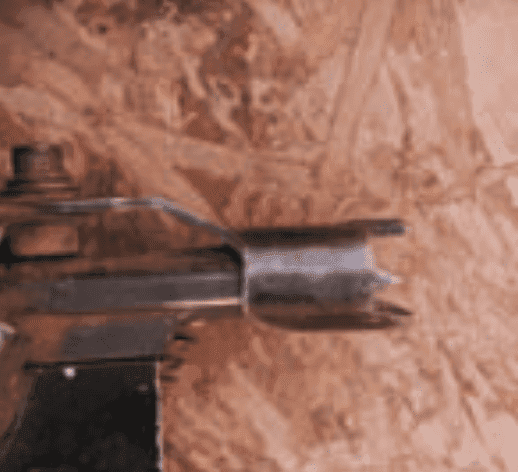
Contact Safety Tip
All nailers rely on two basic controls: a finger trigger and a contact safety tip located on the nose of the gun. Trigger mechanisms can vary based on:
Combining these variations gives four kinds of triggers. Some nail guns have a selective trigger switch which allows the user to choose among two or more trigger systems.
Each trigger type is described below along with a summary of how the controls are activated.
This is the safest type of nail gun trigger. This trigger will only fire a nail when the controls are activated in a certain order. First, the safety contact tip must be pushed into the work piece, then the user squeezes the trigger to discharge a nail. Both the safety contact tip and the trigger must be released and activated again to fire a second nail. Nails cannot be bump fired. Also known as single- shot trigger, restrictive trigger, or trigger fire mode.
Single nail:
Push safety contact, then squeeze trigger
Multiple nails:
Release both safety contact and trigger and repeat process
Fires a nail when the safety contact and trigger are activated in any order. You can push the safety contact tip first and then squeeze the trigger, or you can squeeze the trigger first and then push the safety contact tip. If the trigger is kept squeezed, a nail will be driven each time the safety contact is pushed in.
All nails can be bump fired. Also known as bump trigger, multi-shot trigger, successive trigger, dual-action, touch trip, contact trip, and bottom fire.
Single nail:
Push safety contact, then squeeze trigger, or squeeze trigger, then push safety contact
Multiple nails:
Squeeze and hold trigger, then push safety contact to fire one nail, move and push safety contact again to fire additional nails
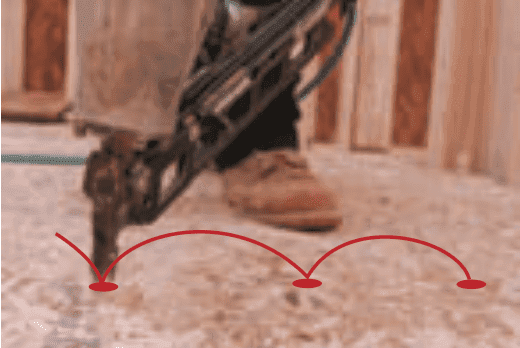
Bump firing or bounce nailing is using a nail gun with a contact trigger held squeezed and bumping or bouncing the tool along the work piece to fire nails. Red dots show path of motion.
Question
How can you fire multiple nails using bump firing?
Answer the question above the continue reading. iTELL evaluation is based on AI and may not always be accurate.
Like the full sequential trigger, this trigger will only fire a nail when the controls are activated in a certain order. First, the safety contact tip must be pushed into the work piece. Then, the user squeezes the trigger to discharge a nail. To fire a second nail, only the trigger must be released. The safety contact tip can stay pressed into the work piece. Nails cannot be bump fired.
Single nail:
Push safety contact, then squeeze trigger
Multiple nails:
Release trigger, move tool, and squeeze trigger to fire additional nail
Question
How can a second nail be fired using this trigger?
Answer the question above the continue reading. iTELL evaluation is based on AI and may not always be accurate.
Like the contact trigger, this trigger will fire a single nail when the safety contact and trigger are activated in any order. A second nail can be fired by releasing the trigger, moving the tool and squeezing the trigger again without releasing the safety contact tip. Note that some manufacturers refer to these triggers as “single sequential triggers”, but they are different. The first nail can be bump fired with a single actuation trigger but not with a true single sequential trigger.
Single nail:
Push safety contact, squeeze trigger, or squeeze trigger, then push safety contact to fire
Multiple nails:
Release trigger, move tool, and squeeze trigger to fire additional nail
Question
Why do some people prefer using a sequential tool over a bump fire tool?
Answer the question above the continue reading. iTELL evaluation is based on AI and may not always be accurate.
The International Staple, Nail and Tool Association (ISANTA) voluntary standard includes technical definitions for trigger “actuation systems”. Tool manufacturers have names for trigger modes such as “intermittent operation method” or “precision placement driving”. Contractors and workers use their own names for triggers and operating modes such as “single shot” and “multi-shot”.
The bottom line: contractors should check the tool label and manual for manufacturer‑specific trigger names and operating information.
Question
What should contractors check for regarding trigger modes when using tools?
Answer the question above the continue reading. iTELL evaluation is based on AI and may not always be accurate.
Last updated at